Backyardastronomy.net

Astrophotography Gallery

Equipment
Equipment
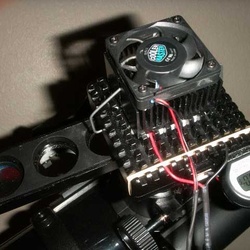
Equipment - Astrophotography Gear A collection of equipment used for astrophotography and astronomical observations. The right gear makes all the difference in capturing the cosmos. Imaging Equipment: - Telescopes (refractors, reflectors, SCTs) - Cameras (DSLRs, dedicated astro cameras) - Mounts (equatorial tracking) - Guiding systems (off-axis, guide scopes) Accessories: - Filters (Ha, OIII, LRGB, light pollution) - Focusers (motorized, manual) - Field flatteners / reducers - Camera adapters Support Equipment: - Power supplies - Laptop / control computer - Software (N.I.N.A., PHD2, PixInsight) - Dew heaters - Portable observatories This album showcases the tools that make capturing the night sky possible.
Galaxies
Nebulas
Star Clusters
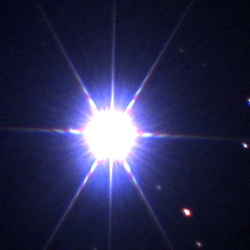
Stars
Milky Way
Milky Way
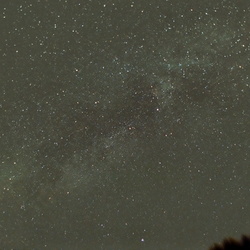
Milky Way - Our Home Galaxy The Milky Way is our home galaxy, a barred spiral containing 100-400 billion stars. From Earth, we see it as a band of light across the night sky. Distance: We're inside it! Size: 100,000 light-years diameter Type: Barred Spiral (SBbc) Age: 13.6 billion years Key Features: - Central bulge in Sagittarius - Spiral arms we see edge-on - Dark nebulae create "Great Rift" - Galactic center: 26,000 ly away - Contains our Solar System - Andromeda collision in 4.5 billion years Best Imaging: Summer (Sagittarius region) or Winter (Orion region) Requires: Dark skies, wide-field lens, tracking mount
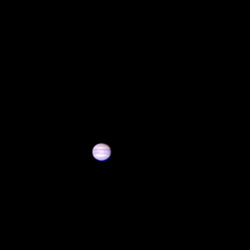
Planets
Moon
Moon
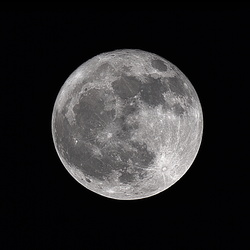
Moon - Earth's Natural Satellite The Moon is Earth's only natural satellite and the fifth largest moon in the solar system. Its surface shows 4.5 billion years of impact history. Distance: 238,855 miles (384,400 km) Apparent Size: 31' (same as Sun) Orbital Period: 27.3 days Key Features: - Only celestial body humans have visited - No atmosphere (pristine surface) - Maria (dark basalt plains) - Highlands (bright anorthosite) - Impact craters throughout - Tidal locking (same face always toward Earth) Best Imaging: Any clear night Phases: New → Crescent → Quarter → Gibbous → Full
Sun
Sun
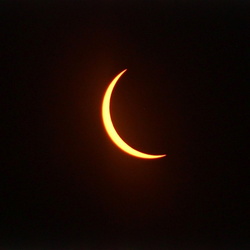
Sun - Our Star The Sun is a G-type main-sequence star at the center of our solar system. It contains 99.86% of the solar system's mass and provides the energy that sustains life on Earth. Distance: 93 million miles (1 AU) Apparent Size: 32' Type: G2V Yellow Dwarf Age: 4.6 billion years Key Features: - Sunspots (cooler magnetic regions) - Solar flares and prominences - Corona visible during eclipse - 11-year sunspot cycle - Core temperature: 15 million °C - Surface temperature: 5,500°C ⚠️ SAFETY: ALWAYS use proper solar filters! Never look directly at the Sun without certified solar filters.
Comets-Asteroids
Comets-Asteroids
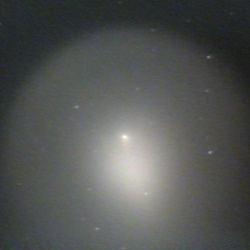
Comets & Asteroids - Solar System Wanderers Comets and asteroids are remnants from the solar system's formation. Comets are icy bodies that develop tails when near the Sun, while asteroids are rocky bodies mostly found in the asteroid belt. Comets: - Icy dust balls ("dirty snowballs") - Develop coma and tails near Sun - Tail always points away from Sun - Periodic (return) vs. one-time visitors - Famous: Halley, Hale-Bopp, NEOWISE Asteroids: - Rocky/metallic bodies - Mostly in asteroid belt (Mars-Jupiter) - Some near-Earth asteroids (NEAs) - Largest: Ceres (dwarf planet) - Studied by spacecraft Best Imaging: When bright comet appears (unpredictable) Requires: Fast response to new discoveries
Terrestrial